 EN
EN

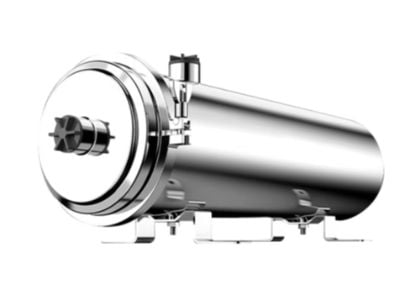
Well water can be a great source of fresh water for many homes, especially in rural areas. However, not all well water is safe to drink straight from the tap. It may contain dirt, bacteria, or chemicals that can make you sick. Filtering well water at home is a smart way to ensure it is clean and safe for your family. With the right tools and some knowledge, you can enjoy fresh, healthy water directly from your well. At UR-HEALTH, we know clean water is important, and we're here to help you learn how to filter your well water properly
What Are the Top Benefits of Filtering Well Water at Home
Filtering well water has many benefits. First, it helps remove harmful contaminants. For instance, some wells contain bacteria like E. coli, which can cause health problems. A filter can remove these germs, making the water safer to drink. Second, filtering improves the taste and smell of well water. Sometimes, well water tastes unusual or has an unpleasant odor because of minerals or other substances. A good water filter machine makes the water taste fresh and clean. Third, it saves money. Buying bottled water all the time can be expensive. If you filter your own well water, you can safely drink from the tap without the extra cost. Plus, it's better for the environment because it reduces plastic waste from bottles. Finally, having clean water at home means you can confidently use it for cooking and making ice. You'll feel better knowing your family is drinking safe water every day. At UR-HEALTH, we believe everyone deserves clean water, and filtering well water is a big step toward that goal
What Types of Filtration Methods Are Best for Well Water
There are several ways to filter well water, and the best method depends on what's in your water. One common option is a sediment commercial air filters. It catches dirt and sand, making the water clearer. Another choice is a carbon filter, which is good for removing unpleasant tastes and odors. It also helps remove chlorine and some chemicals. If your water contains bacteria, a UV filter may be needed. It uses ultraviolet light to kill germs, making the water safe to drink. There are also reverse osmosis systems. These remove many contaminants, but they are generally more expensive. It's important to test your well water before choosing a filtration system. You need to know what contaminants need to be removed. At UR-HEALTH, we recommend checking local guidelines for water testing. After testing, you can choose the right filter for your needs. Remember, having a good filtration system at home lets you enjoy clean water every day
How to Maintain Your Well Water Filter for Optimal Performance
Keeping your well water filter in good condition is very important to ensure your drinking water stays clean and safe. First, check the best whole house water filter system regularly. This means inspecting it every month or so to see if it needs cleaning or replacement. Some filters last longer than others, while some need to be changed every few months. It's always best to follow the manufacturer's instructions, which explain how often the filter should be replaced. When changing the filter, turn off the water supply first. Then, carefully remove the old filter and install the new one. Make sure it fits tightly so unfiltered water cannot pass through. Cleaning the filter is another important step. Some filters can be rinsed with clean water and reused. Others cannot be cleaned and should simply be replaced. Also, inspect parts such as pipes and valves to make sure there are no leaks. If you notice any dripping, repair it immediately. Leaks waste water and make the filter work harder than necessary. Keep the area around the filter clean and dry to prevent dirt from entering the system. By taking good care of your well water filter, it will perform better and continue providing safe drinking water
What Should You Know About Well Water Contaminants
Well water can be clean, but sometimes it contains substances that are not good for your health. These are called contaminants. It's important to know what they are so your family can stay safe. Common contaminants found in well water include bacteria, chemicals, and heavy metals. Bacteria can come from animal waste or decaying plants. If bacteria levels become too high, they can make you sick. That's why it's important to test your well water regularly. You can buy testing kits from stores or hire a professional to perform the test. Chemicals can also be a problem. They may come from fertilizers or pesticides used on nearby farms. If these chemicals enter your well water, they can affect the taste and smell and may make the water unsafe to drink. Heavy metals such as lead and arsenic are also found in some water supplies. These may come from old pipes or naturally occur in the ground. Drinking water that contains heavy metals can be dangerous, especially for children. If you suspect contaminants are present, test your water immediately. Knowing what's in your well water helps you choose the right filtration system. At UR-HEALTH, we recommend regular water testing for all well owners so they can enjoy safe drinking water every day
How to Improve the Taste and Quality of Your Well Water
Sometimes well water doesn't taste as good as you'd like. If your water has an unusual taste or smell, there are several ways to improve it. First, use a water filter. A good filter removes unpleasant tastes and odors, making your water taste fresh. Many types of filters are available, so choose one that fits your needs. For example, carbon filters are effective at removing chlorine and chemicals that affect taste. At UR-HEALTH, we offer filters designed to improve the taste of well water. Another way to improve the taste is by letting the water sit in the refrigerator for a while. Cold water often tastes better than warm water. If your water has a strong smell, chilling it may also help reduce the odor. You can also add fruits, such as lemon, to give your water a refreshing flavor. It's a fun way to encourage everyone to drink more water. If your well water contains a lot of minerals, it may taste hard or metallic. In that case, you may need a special filter called a water softener. It removes excess minerals and can make a significant difference in both taste and water quality. Finally, remember to drink plenty of water every day. Staying hydrated is important for your health, and better-tasting water makes it easier to do so. By using filters and these simple tips, you can improve the taste of your well water and enjoy it every day.