 EN
EN

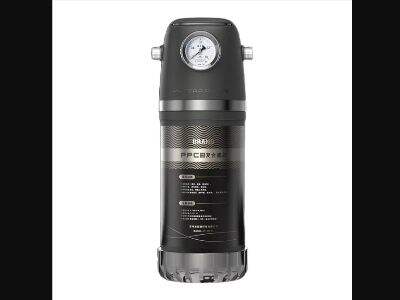
Installing a reverse osmosis (RO) water filter system is a great way to make sure you and your family get clean, safe drinking water. These RO systems remove harmful contaminants from the water, making it taste better and healthier to drink. If you want to learn how to set up an RO water filter system, you have come to the right place! With some guidance, you can easily install one at home. In this article, we will discuss how to choose the right RO water filter for your needs and provide a step-by-step guide on how to install it. Our brand, UR-HEALTH, offers high-quality RO water filter systems that are easy to use and work effectively
How to Pick the Right RO Water Filter for Your Needs
When looking for the right RO water filter, there are a few key things to consider. First, think about how much water you need. Some systems produce more water than others, so check the gallons per day (GPD) rating. For a large family, you might want a system that produces more water. If you live alone or have a small family, a smaller unit may work just fine. Next, check the filter stages. More stages often mean better water quality. An RO system with three to five stages is common. Each stage removes different contaminants. Some filters and home water purifiers also add minerals back into the water, which can improve the taste. Be sure to read reviews and check whether the filter is certified. This means it has been tested and meets established standards. UR-HEALTH filters are designed to remove many harmful substances, such as lead and chlorine, making them a good choice. Finally, consider your budget. Prices can vary significantly. It is important to find a system that meets your needs without being too expensive. You do not want to overspend, but you also do not want a low-quality filter that does not perform well. Take your time and choose wisely
A Step-by-Step Guide
Now, let's go over how to install your RO water filter and Countertop Water Purifier system. First, gather all the necessary tools. You will need a wrench, drill, screwdriver, and Teflon tape. Start by choosing a location under the sink where you want to install the filter. Make sure there is enough space for both the filter and the storage tank. Next, turn off the water supply to the sink. This step is very important. Once the water is turned off, you can install the faucet that comes with the RO system. You may need to drill a small hole in the sink or countertop for the new faucet. Follow the instructions included with your filter system. After installing the faucet, connect the tubing to the filter and storage tank. Make sure all connections are secure. It is a good idea to use Teflon tape on threaded connections to help prevent leaks. Then, connect the filter to the water supply line. Again, follow the manufacturer's instructions because each system may be slightly different. Once everything is connected, slowly turn the water supply back on and check for leaks. If you notice any dripping, tighten the connections. Finally, flush the system for a few hours. This removes any carbon dust from the filters. After that, your RO water filter system is ready to use. Enjoy clean, fresh water with your new UR-HEALTH filter
What Are Common Installation Problems with RO Water Filters
When you decide to install a reverse osmosis (RO) water filter system, some challenges may arise. Understanding these common issues can help you avoid problems and make the installation process easier. One common problem is finding enough space for the system. RO filters and UF Water Purifier are usually installed under the sink, but sometimes there is not enough room available. Before starting the installation, check the space under your sink to ensure it can accommodate the filter and storage tank. If the area is too cramped, you may need to clear some space or consider another location. Another issue involves connecting the filter to the water supply. Sometimes, the fittings may not match perfectly. Read the instructions carefully and use the correct tools. If the pipes are incompatible, you may need additional fittings or adapters. It is important to ensure all connections are properly sealed to prevent leaks. Leaks can damage cabinets and create a mess in your kitchen, so double-check every connection. You may also encounter problems with the drain line. An RO system needs to send wastewater to the drain. If the drain line is blocked or connected incorrectly, the system may not function properly. Make sure there is a clear path for water flow. Finally, some people experience difficulties installing the dedicated RO faucet. Since it is installed separately, it may not always fit perfectly with existing sink components. If this happens, you may need to make adjustments or replace certain parts. By understanding these common installation problems, you can make the installation process much smoother
What Are the Benefits of Installing an RO Water Filter System
Installing a reverse osmosis (RO) water filter system in your home offers many benefits that can improve your daily life. First, RO filters provide cleaner and safer drinking water. They remove harmful substances such as bacteria, chemicals, and heavy metals. As a result, you can enjoy water that is healthier for you and your family. With UR-HEALTH, you can trust that you are getting a quality filtration system that helps protect your family's health. Another advantage is improved water taste. Many people find that tap water has an unpleasant taste due to chlorine and other chemicals. An RO filter removes many of these impurities, making the water taste fresher and more enjoyable. This can encourage you and your family to drink more water, which helps maintain proper hydration. In addition, an RO water filter system can save money over time. Although there is an initial investment, you may no longer need to purchase bottled water regularly. Bottled water costs can add up quickly, while an RO system provides safe, great-tasting water directly from your tap. It is also better for the environment because it reduces plastic bottle waste. Finally, installing an RO system may increase your home's value. Many homebuyers appreciate homes with quality water filtration systems, making your property more attractive. Overall, an RO system offers health benefits, improved taste, long-term savings, and added home value
How to Maintain an RO Water Filter for Best Performance
To keep your UR-HEALTH reverse osmosis (RO) water filter system operating efficiently, regular maintenance is essential. One of the most important tasks is replacing the filters on schedule. Most RO systems have several filters, and each one must be replaced periodically. Depending on your water quality and usage, filters generally need to be changed every six to twelve months. Always follow the manufacturer's recommendations. If filters are not replaced on time, they can become clogged and reduce the system's effectiveness. Another important task is checking for leaks. After installation, regularly inspect the system for any signs of dripping water. If you notice a leak, address it promptly. Leaks can damage your home and waste water. Also, ensure that all connections remain tight and secure. Cleaning the system is important as well. Wipe the exterior of the RO unit with a soft cloth and mild soap. Avoid using harsh chemicals that could damage the equipment. If your system includes a storage tank, clean it periodically. Bacteria can develop inside the tank over time, so regular cleaning helps keep your water safe. Lastly, monitor your water pressure. If you notice a significant pressure drop, there may be an issue with the filters or another component of the system. By following these simple maintenance steps, you can ensure that your RO water filter system continues to provide clean, fresh, and great-tasting water for years to come.