The Challenge That Has Defined an Industry
Biofouling remains one of the most persistent operational challenges in reverse osmosis (RO) water purification. When microorganisms colonize membrane surfaces, they form dense biofilms that clog filtration channels, increase energy consumption by 20–50%, and force frequent chemical cleanings that generate secondary pollution. Ozone disinfection has long been recognized as a highly effective, chlorine-free biocide capable of controlling biofilm growth without leaving harmful chemical residues. Yet a fundamental dilemma has prevented its widespread adoption in residential and light-commercial RO systems: ozone is aggressively oxidative. Even at very low exposure doses, it rapidly degrades the polyamide (PA) active layer of standard thin-film composite RO membranes, causing an irreversible collapse in salt rejection and a permanent loss of filtration performance.
For decades, the industry has been forced to choose between effective biological control and membrane longevity. That choice is now obsolete.
The Scientific Breakthrough
Drawing on groundbreaking research published in Environmental Science & Technology in January 2026 by a team from the Weizmann Institute of Science and Ben-Gurion University, a new class of RO purification systems has been developed to resolve the “ozone-disinfection versus membrane-oxidation” conflict. The solution lies in Atomic Layer Deposition (ALD)—a precision thin-film manufacturing technique capable of depositing coatings one atomic layer at a time.
By applying an ultrathin, just 3 nm thick alumina nanocoating onto the surface of a commercial ESPA-PA RO membrane, researchers created a protective barrier that delivers both active and passive defense against oxidative damage. The coating is not a simple surface spray; it is a conformal, pinhole-free ceramic layer formed through self-limiting surface reactions, ensuring complete coverage even over the complex nanoscale topography of the polyamide film beneath.
The performance data are striking. In controlled laboratory evaluations:
-
The alumina-coated membrane demonstrated 5-fold higher tolerance to ozone exposure than its uncoated counterpart.
-
Under an ozone dose of 5.5 mg·h/L, the coated membrane maintained 96% salt rejection and stable water flux, while the uncoated membrane’s rejection plummeted to just 60%.
-
During a 48-hour continuous ozone exposure test, the ALD-coated membrane completely suppressed biofilm formation, whereas the uncoated membrane lost 45% of its permeate flux due to biological fouling.
This is the first time such laboratory-grade ozone resilience has been engineered into a system designed for residential use.
Product Architecture and Intelligent Design
The new purification platform translates this materials-science breakthrough into a complete household appliance built around a three-stage integrated filtration core:
-
PAC Composite Pre-Filter — A Polypropylene-Activated Carbon composite cartridge that intercepts sediment, rust, particulate matter, and residual chlorine, protecting downstream components and extending overall system life.
-
ALD-Protected RO Membrane — The heart of the system. The ALD alumina-coated reverse osmosis element removes dissolved heavy metals, total dissolved solids (TDS), bacteria, viruses, and micro-plastics while maintaining exceptional durability under oxidative cleaning cycles.
-
CB Post-Activated Carbon Filter — A final polishing stage that absorbs odor-causing compounds and improves taste, delivering crisp, neutral-flavored drinking water at the faucet.
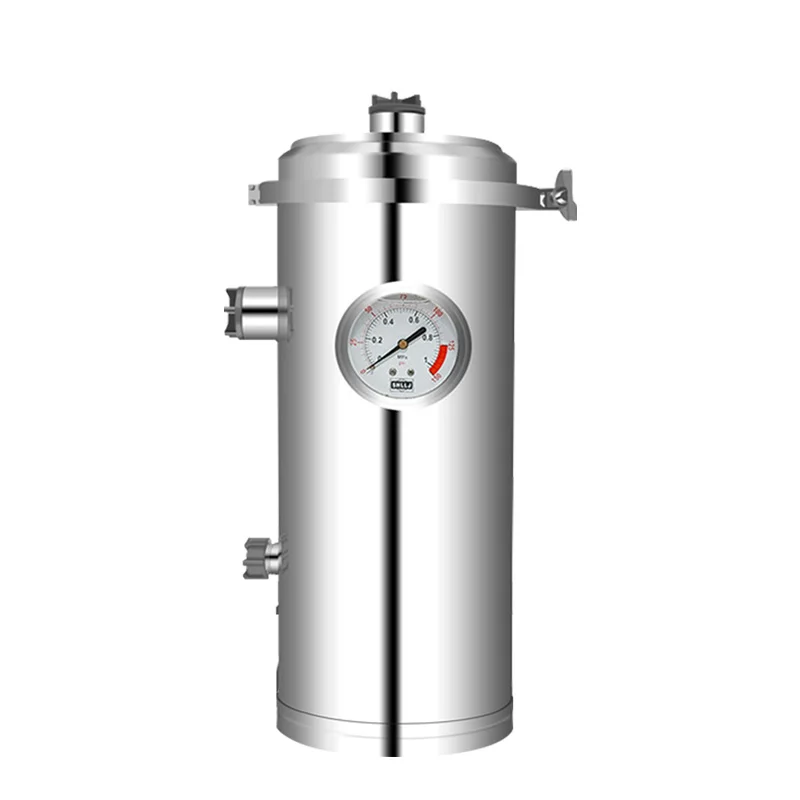
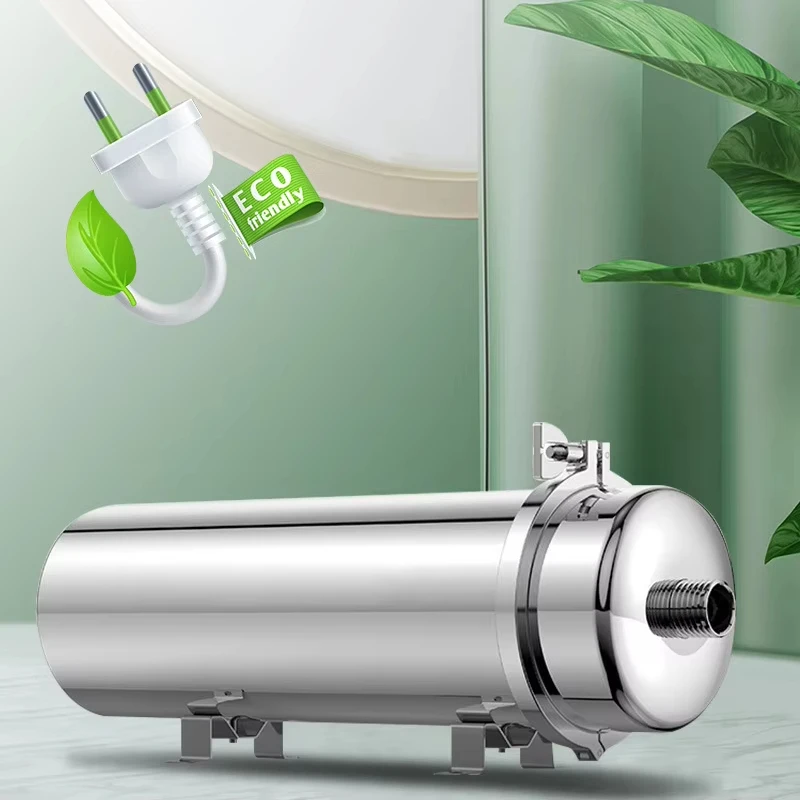
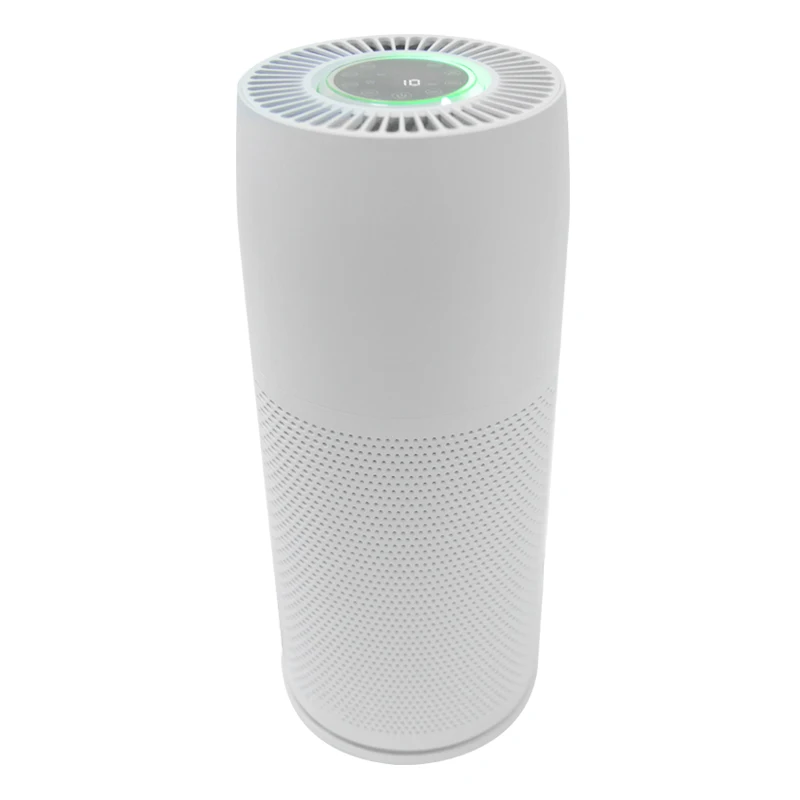
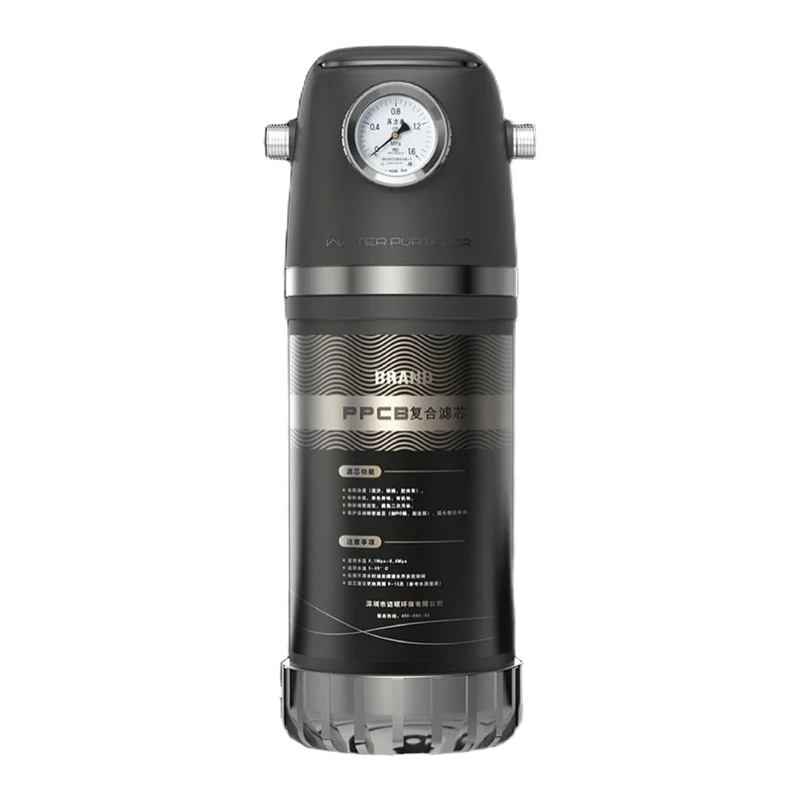
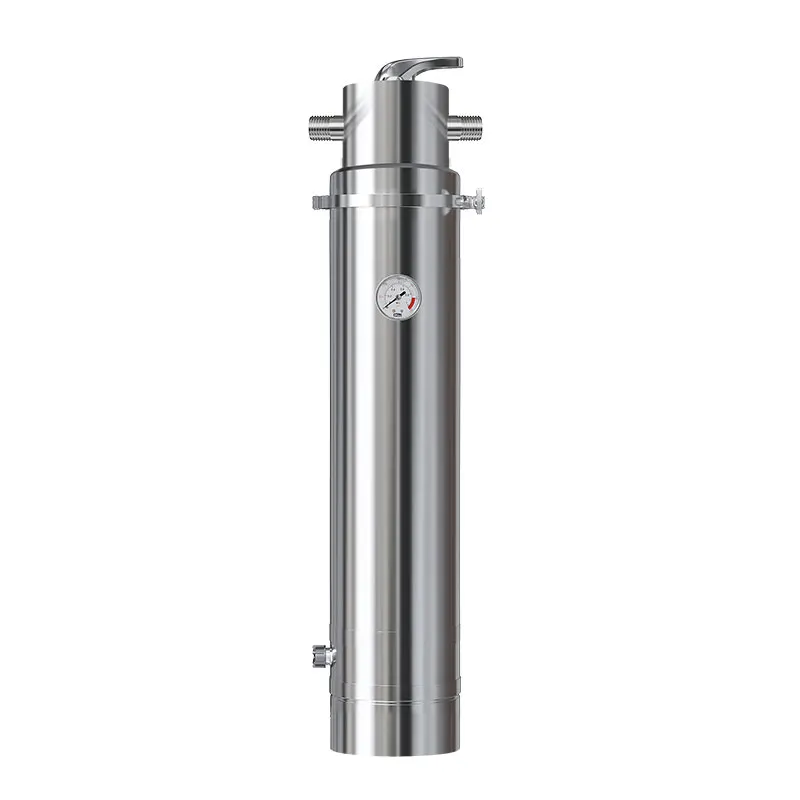
The system is presented in a compact, modular chassis with a refined industrial design suitable for both under-sink concealed installation and countertop display. Multiple finish options allow the unit to integrate into contemporary kitchen aesthetics without dominating the space.
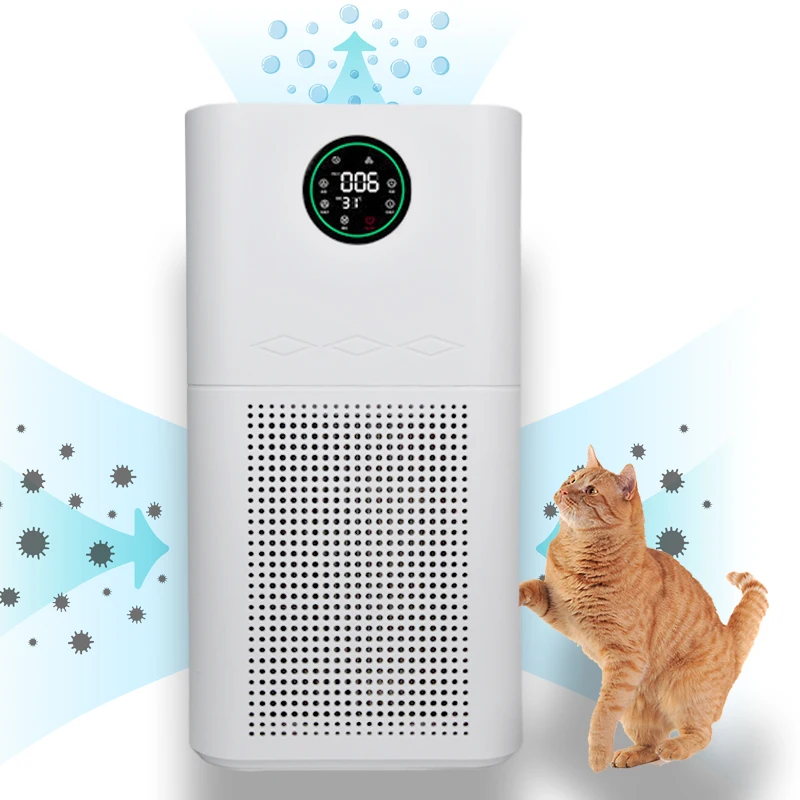
User interaction is handled through an intelligent digital interface. A high-resolution display provides real-time TDS (Total Dissolved Solids) readings for both inlet and outlet water, giving immediate visual confirmation of purification performance. Touch-sensitive controls manage operating modes, filter-life monitoring, and system diagnostics. Smart connectivity features enable users to track water quality trends and receive predictive maintenance alerts, ensuring the system operates at peak efficiency without guesswork.
Why ALD at Low Temperature Matters
A critical advantage of this implementation is that ALD deposition is performed at temperatures below 50 °C. This low-temperature process preserves the delicate polyamide structure beneath the coating, preventing the thermal damage or pore-collapse that can accompany conventional high-temperature ceramic treatments. For the end user, this means the membrane retains its native high permeability and selectivity over years of service, rather than suffering the gradual flux decline typical of less precisely engineered protective layers.
Real-World Benefits for Households
The transition from laboratory data to residential appliance delivers tangible, everyday advantages:
-
Extraordinary Membrane Longevity: Because the ALD alumina layer shields the polyamide matrix from ozone-induced chain scission and oxidation, the RO element withstands periodic ozone sanitization without degradation. Filter replacement intervals are extended significantly, reducing total cost of ownership and environmental waste.
-
Chemical-Free Biological Control: Ozone cleaning eliminates the need for harsh chemical biocides and chlorine-based disinfectants. The result is water free from chlorinated byproducts such as trihalomethanes (THMs) and haloacetic acids (HAAs), supporting a cleaner, healthier household water supply.
-
Stable Performance Under Stress: Whether facing seasonal microbial proliferation in source water or variable municipal supply quality, the coated membrane maintains stable salt rejection and water production rates. Users avoid the frustration of declining flow rates and the anxiety of uncertain water quality.
-
Energy and Noise Efficiency: The fouling-resistant surface reduces the trans-membrane pressure required to maintain flow, allowing the booster pump to operate at lower duty cycles. The system runs quieter and consumes less electricity than conventional RO units with unprotected membranes.
-
Sustainable Water Stewardship: By reducing chemical consumption, extending membrane life, and maintaining high water recovery efficiency, the platform aligns with global sustainability goals for domestic water treatment.
A Paradigm Shift for the Water Industry
The introduction of ozone-tolerant ALD-alumina RO membranes into the consumer market represents more than a product upgrade—it signals a categorical shift in how residential water purification is conceived. For the first time, plant operators and homeowners alike can deploy ozone as a routine, environmentally friendly cleaning agent without sacrificing membrane life or filtration precision.
Industry analysts note that the technology is inherently scalable. The same low-temperature ALD process that protects a household cartridge can be adapted to municipal desalination trains, industrial wastewater reuse systems, and commercial food-service installations. As global water stress intensifies, durable, sustainable membrane desalination is no longer an aspiration; with ALD-protected RO systems, it is now within practical reach.

 Hot News
 EN
EN